
Our approach to better respect the environment
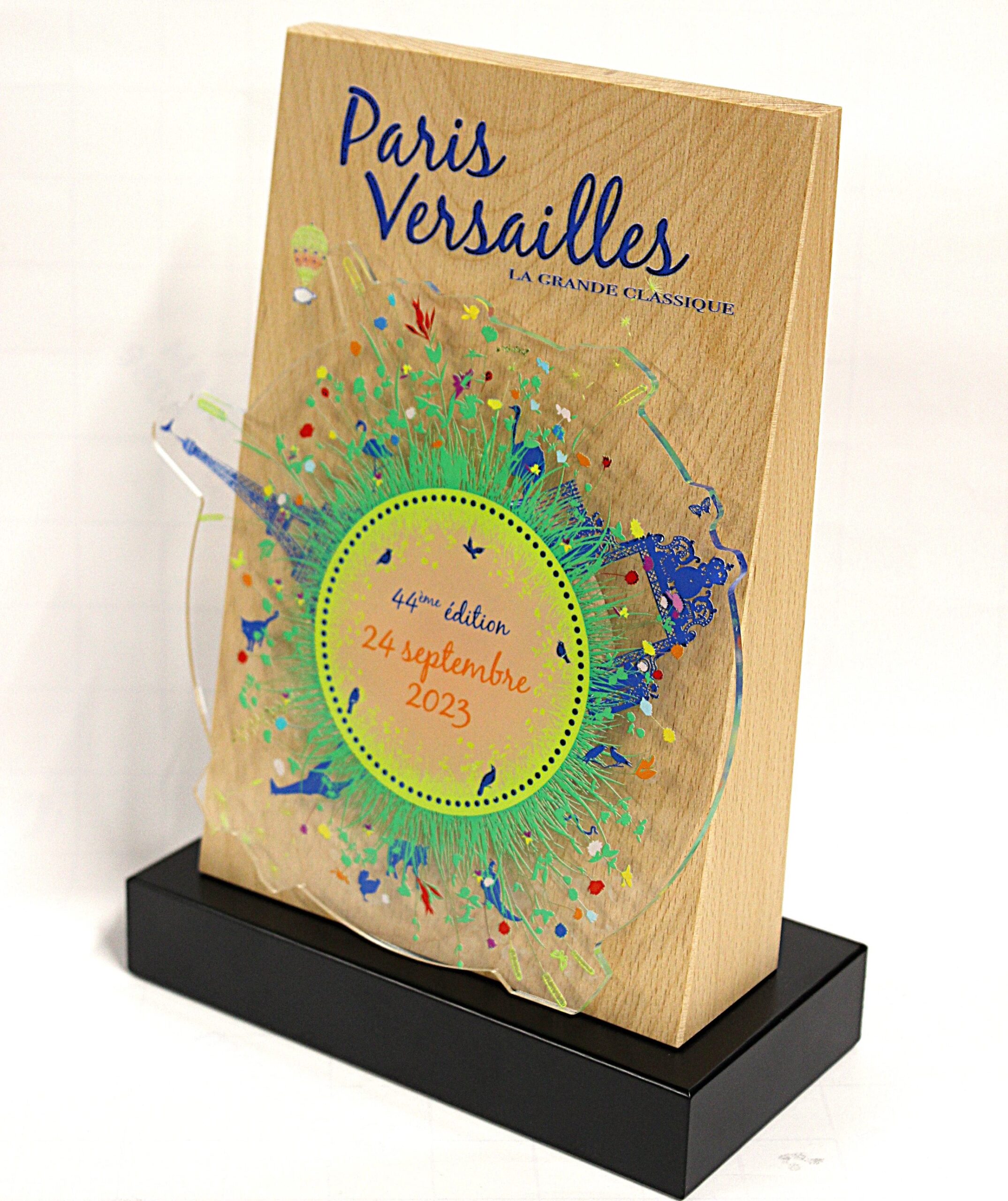
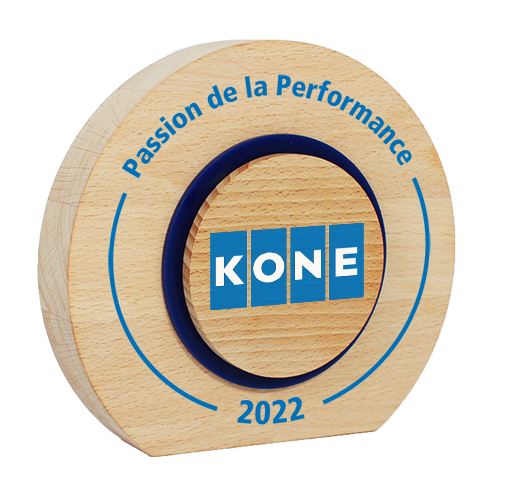
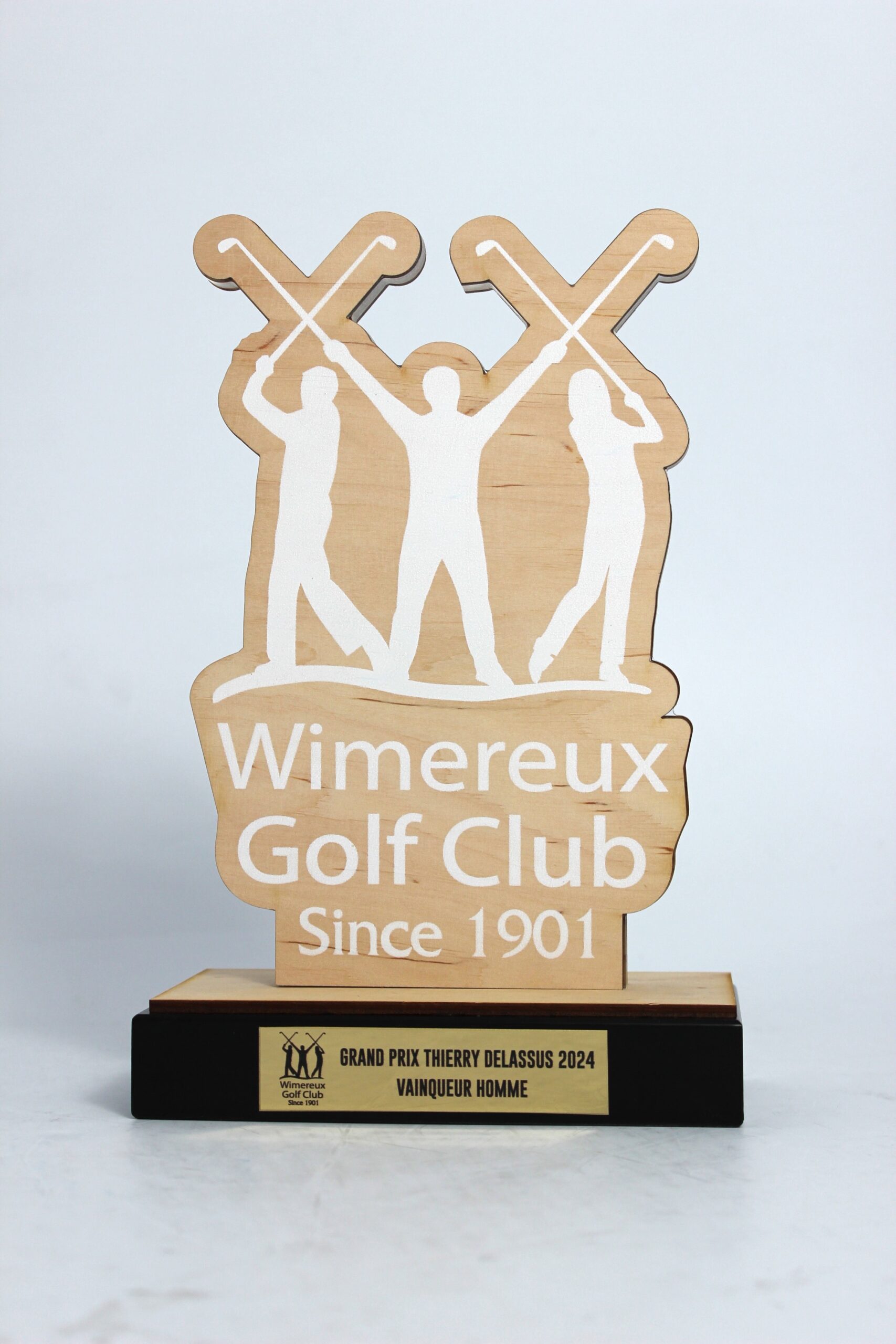
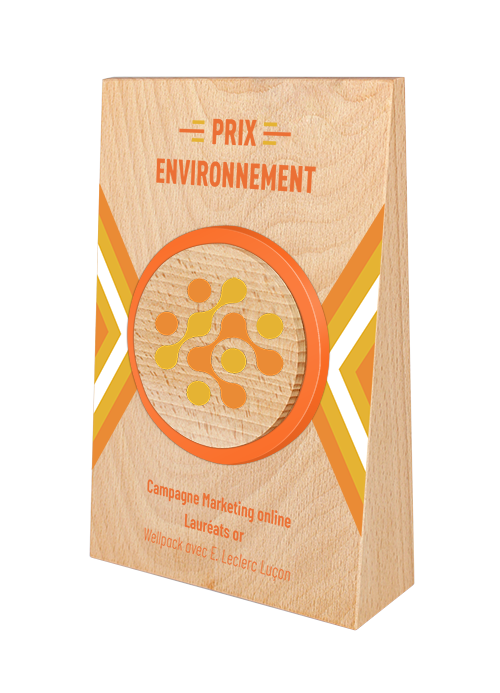
We have been certified for FSC & PEFC-labelled products since 2023, and have completed thousands of orders for wooden trophies & medals. We are also proud to be part of the MADE IN BRITAIN label for all our products made in our London workshop. We have developed a collection of sustainable trophies & medals, all manufactured in our London workshop.
Our 5 commitments
Even though approximately 90% of our products are already recyclable (glass, brass, zinc, aluminium,
wood), we are aware that we must go further in our ecological approach to improve the carbon footprint of our business. We have therefore identified five areas in which we focus our efforts to sustainably reduce our impact on the planet, by reducing CO2 emissions and by combating pollution.
It is also up to you, the client, to determine in advance how much importance you wish to give to the sustainable approach of your trophies & medals.
1
Developing eco-designs
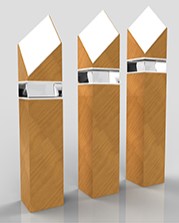
We strive to place eco-design at the heart of our organisation for the development of trophies by integrating environmental aspects at the very beginning of the design process, alongside essential criteria such as durability, price, and aesthetics. Our eco-design focuses on the following aspects:
- Designing a process that facilitates recycling (more screws, less glue)
- Prioritising recycled or upcycled low-carbon materials
- Allowing repurpose of all or part of the trophies in the event of cancellation or postponement of the event
- Taking packaging into account when designing the product or its transportation method (to reduce packaging)
2
Lower carbon-intensive sourcing
For over 45 years, we have been actively pursuing a proactive policy in the selection of our suppliers and subcontractors in our sourcing policy. There are a few rules we do not deviate from:
- We only work with suppliers whose production sites and working conditions we are familiar with ours. This policy requires us to work with our partners on an ongoing basis.
- We reject products deemed too polluting or non-recyclable.
- For products made in Asia, we systematically prefer suppliers who guarantee the traceability of their metal
purchases (certificates/audits). In particular, purchases of metal from listed international companies subject to strict audits and verified manufacturing processes, from extraction conditions through to production processes (Japanese, South Korean or Australian companies, for example). This careful approach enables us to obtain guarantees that the metal used does not come from countries at war, or from illegal mines operating in conditions that do not respect human rights.
Developing short sourcing
In addition to the selection of our suppliers and the quality of their manufacturing processes, our low-carbon approach aims to rely on ‘short’ (national) sourcing with subcontractors who are as local as possible to us.
We have a network of local subcontractors, enabling us to work with a reliable ecosystem. Sometimes, the use of certain materials and techniques requires us to widen our sourcing to national and European levels.
For the major proportion of our purchases that are still made abroad, particularly in China, we do our utmost to use ocean freight.
3
Favor materials that consume less carbon
Our approach is based on the material’s life cycle: from product transformation (including extraction and
transport), to use and end-of-life. For trophies, we prefer :
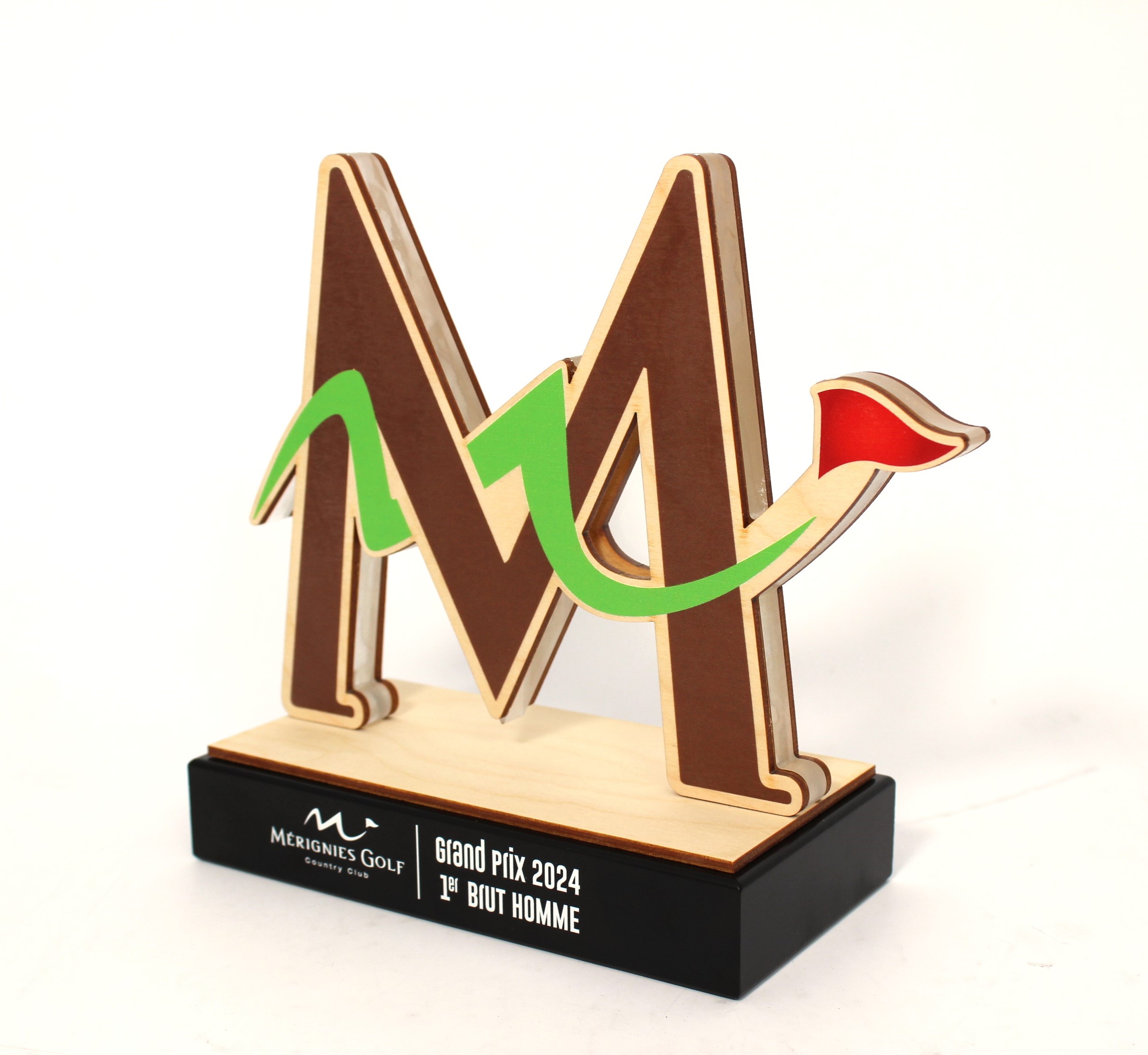
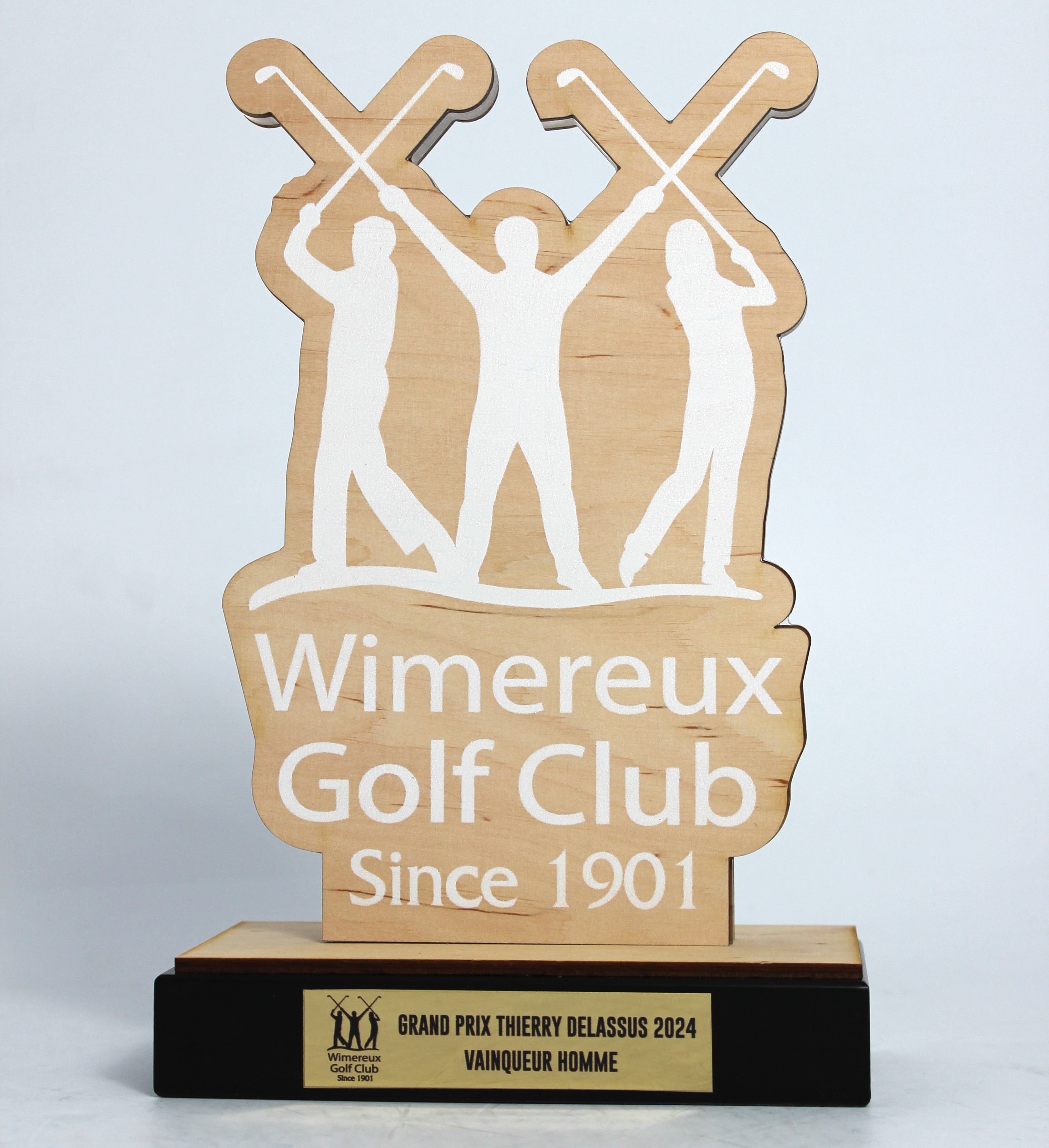
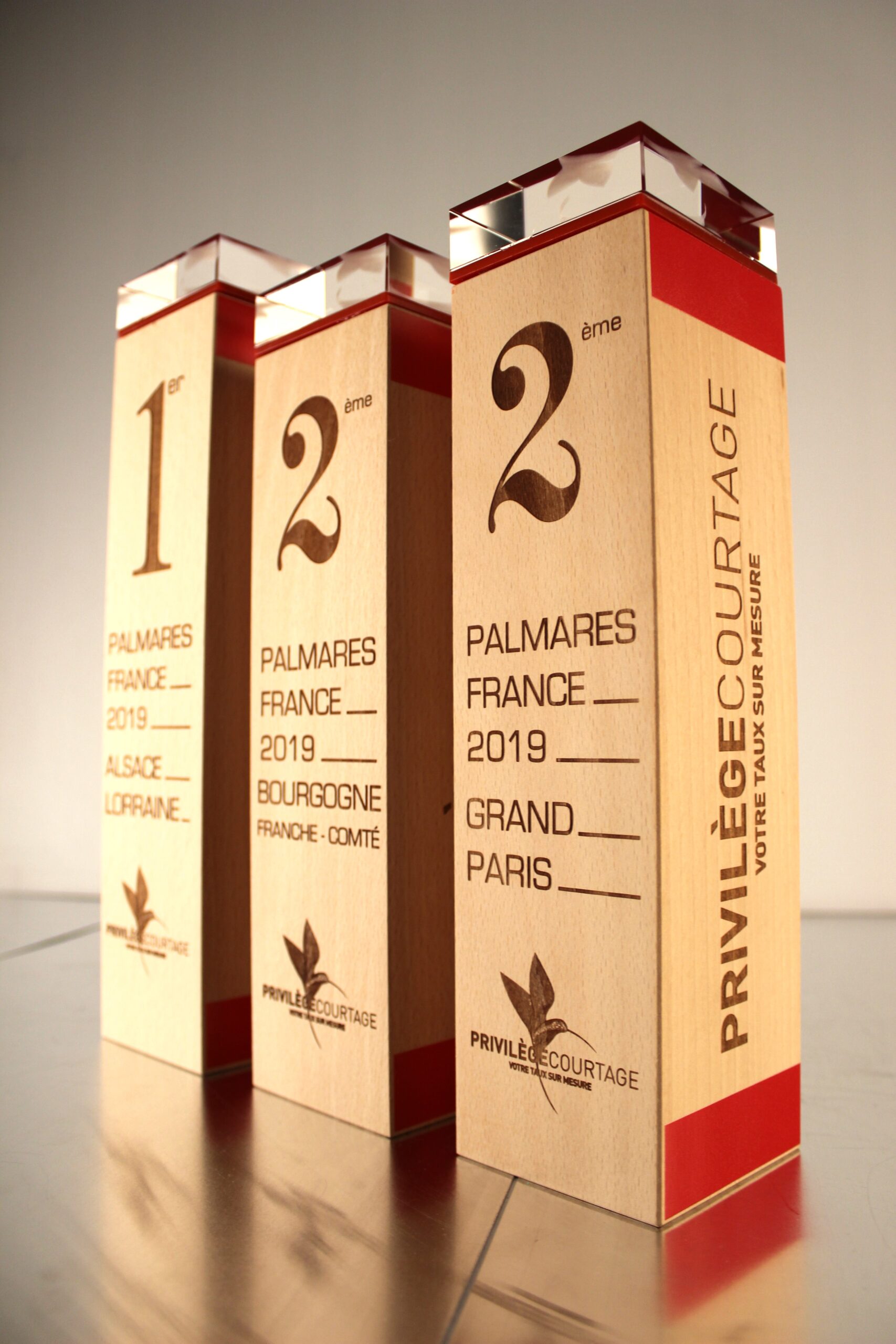
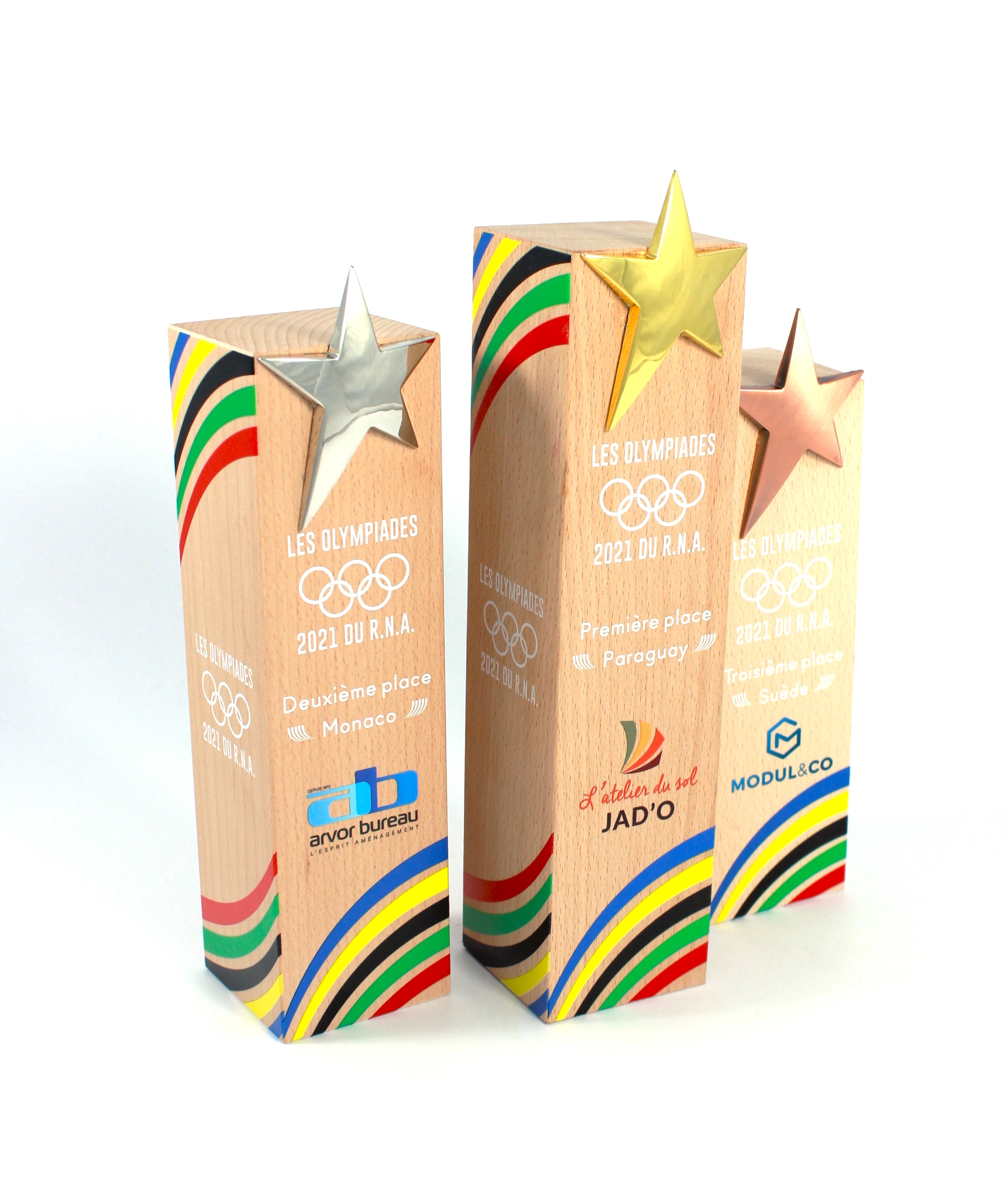
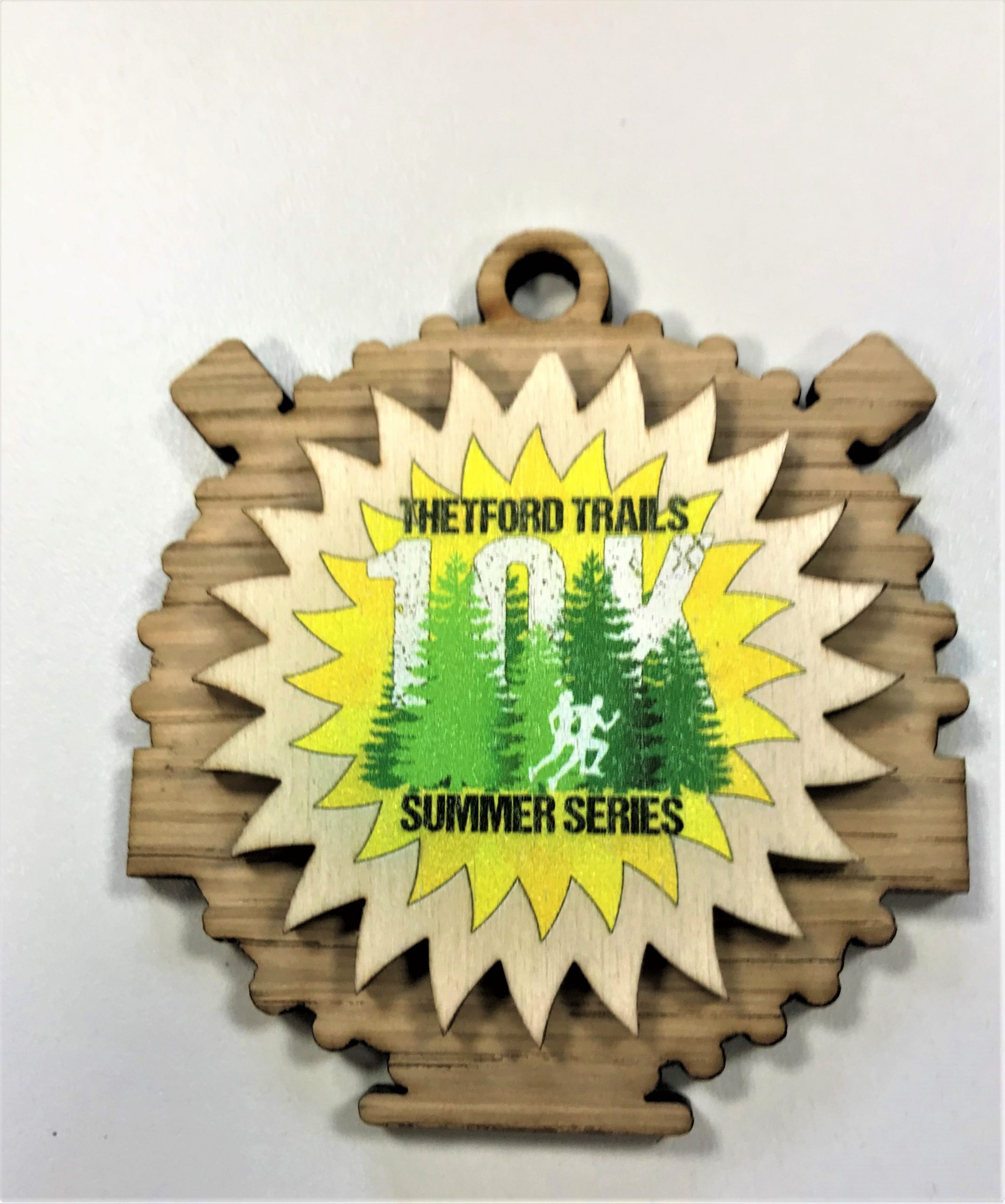
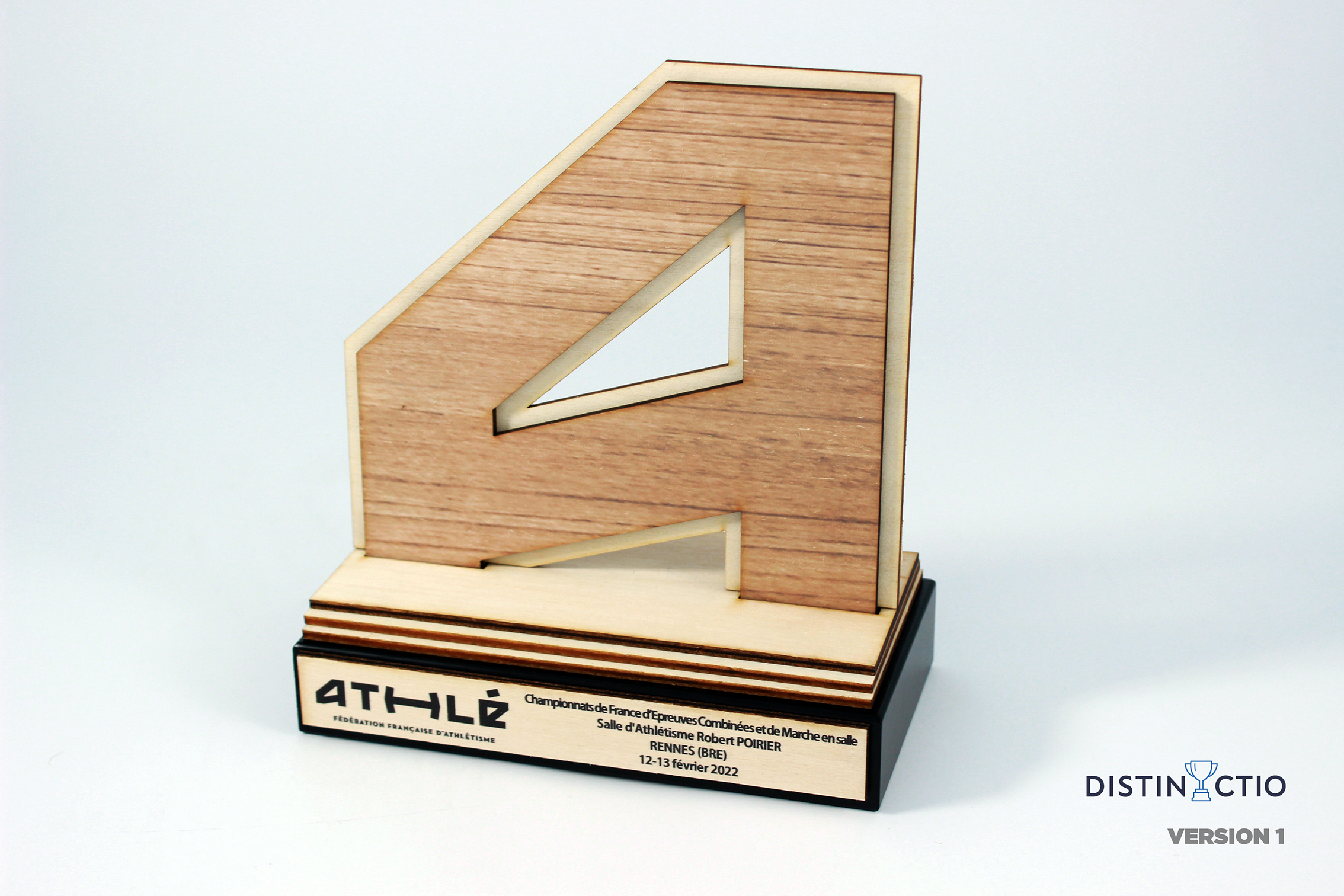
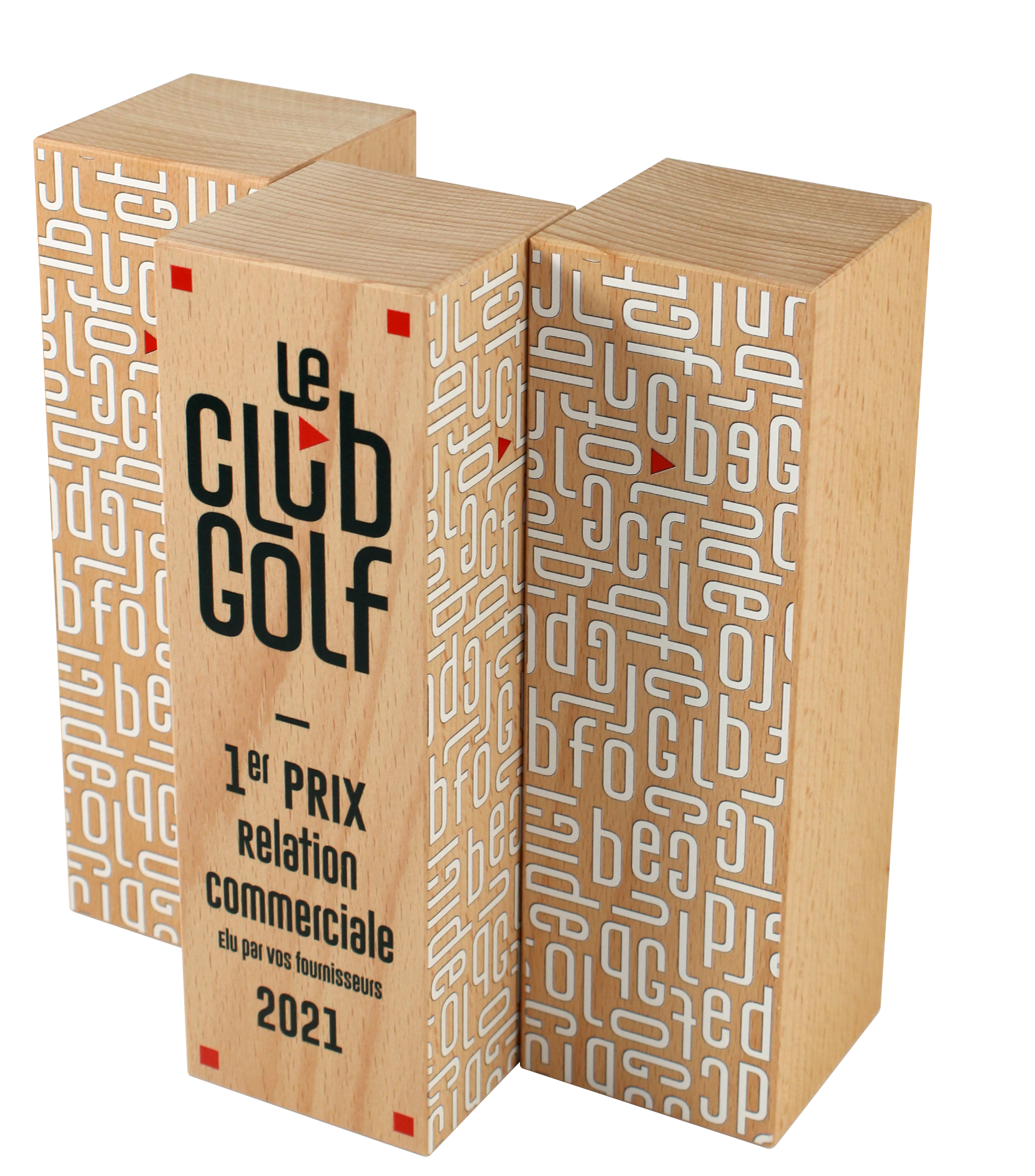
- Natural materials such as wood, sourced from FSC or PEFC-certified sources
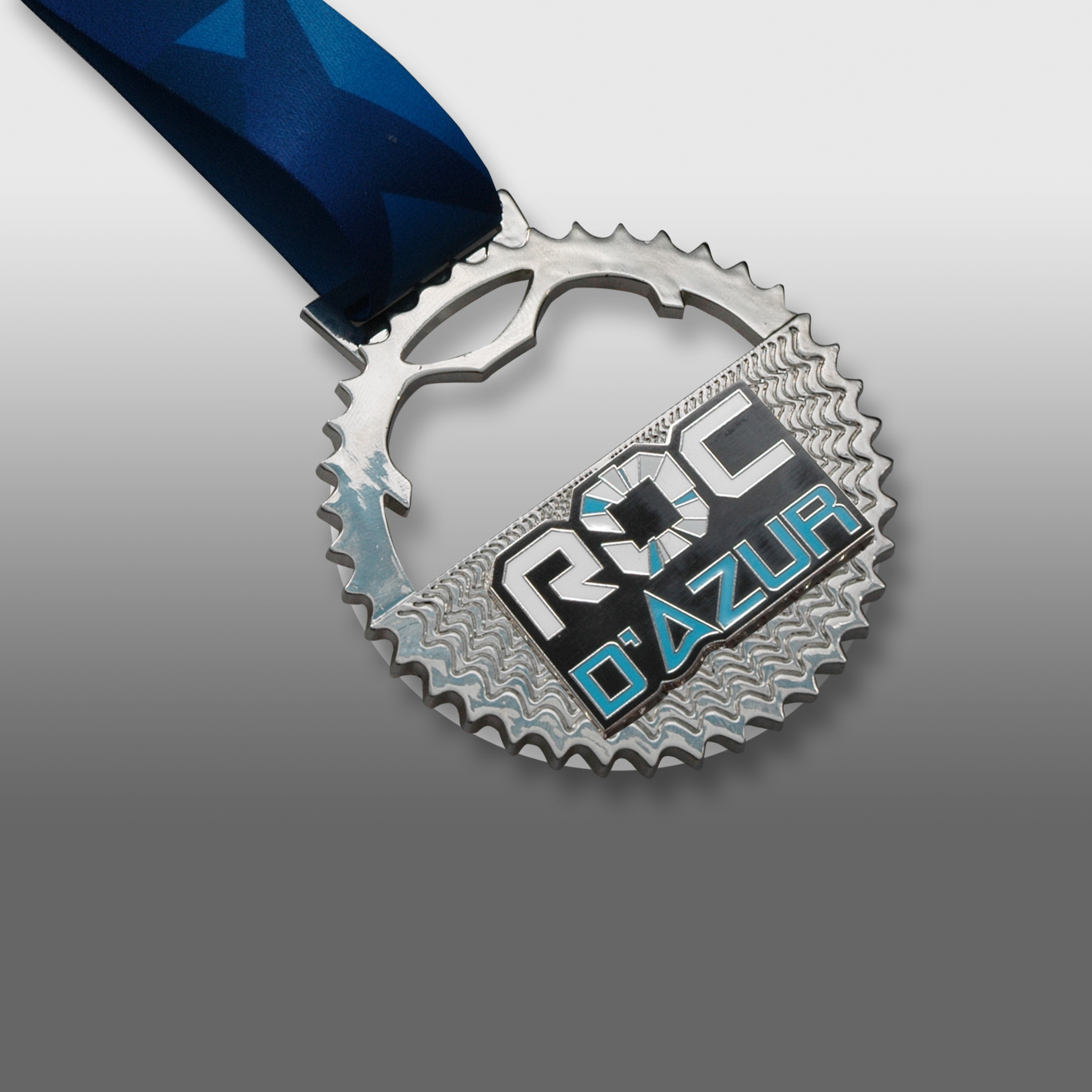
- Recycled materials that avoid extraction (the most emissive) or oil (these include: recycled metals or zinc alloy widely used for medals)
- 100% recycled acrylic which can be re-used ad infinitum. This material, endorsed at COP21 in Paris in 2015, offers greater transparency and brilliance than glass, and allows great creative freedom in terms of designs, shapes, colours and prints
- Materials that spare primary resources, such as MDF wood, which is made from sawdust and wood residues from FSC or PEFC sources.
- Encourage collaboration with neighbouring companies, using their metal off-cuts for example.
- Upcycling of non-recyclable materials. For example, carbon fibre offcuts from aircraft manufacturers
are reused for trophies in motor sports, which would otherwise be destined for landfill.
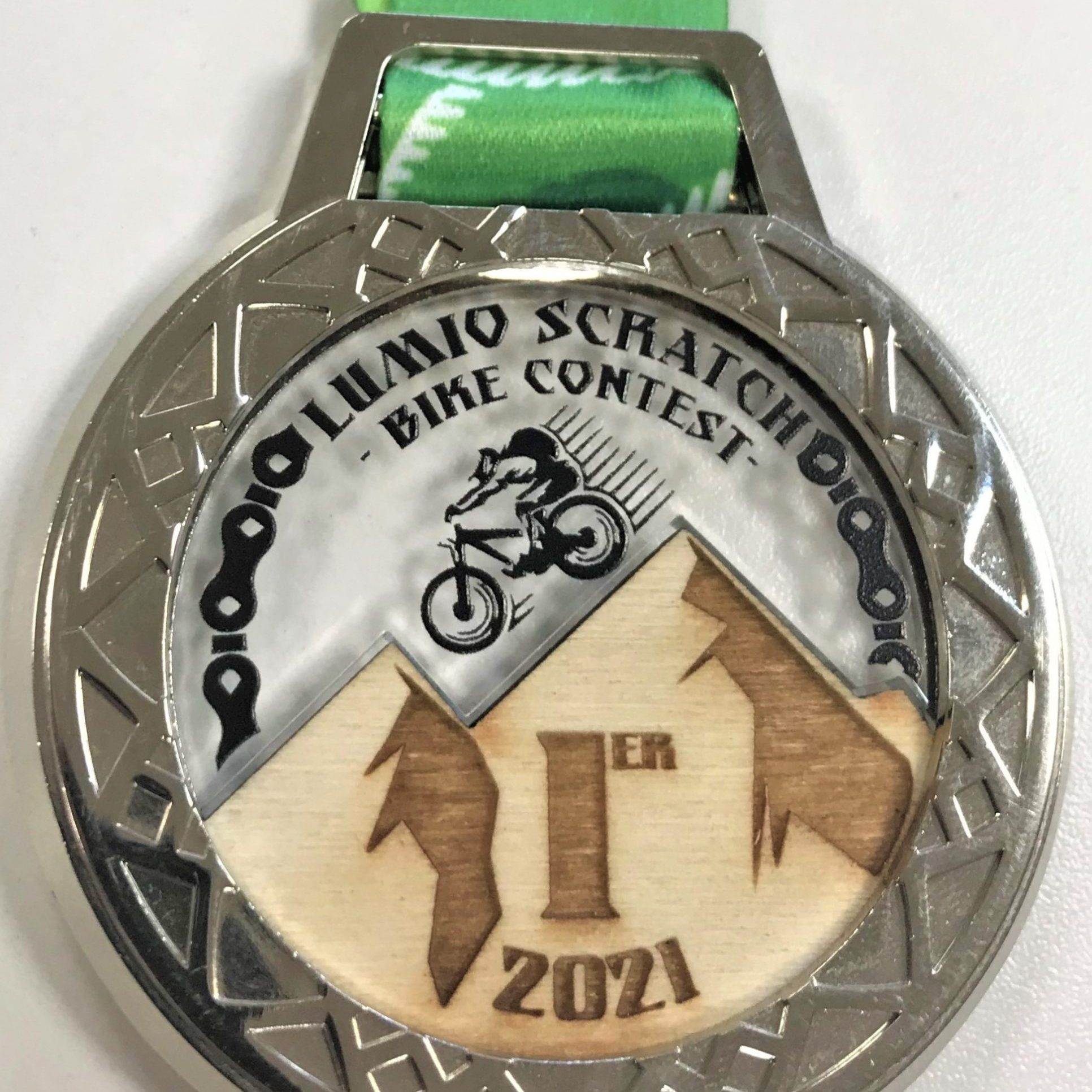
For medals, in addition to zinc alloy, we are be able to offer steel and, if the client agrees, recommend wooden medals rather than metal ones. In our design studio, we continue to develop new combinations of materials such as seaweed-based, cardboard & paper.
4
Greater consultation with our clients
An important part of our process depends on the quality of the collaboration developed with our clients. Some of the actions to reduce carbon footprint require the establishment of multi-year contract that allow for:
>> Design time dedicated exclusively to the client’s trophies & medals
>> The possibility of reusing any trophies or medals in year N+1 or even N+2 not consumed in year N
>> Reuse previous products to ensure that 100% of the trophies ordered and manufactured are awarded
5
A significant reduction in our protective packaging
Our products are often bespoke. This results in a tendency to overprotect and overpackage to prevent any risk of damages during transit. However, decarbonisation requires a significant reduction in the volume of our packaging. To achieve this, we design products that are more robust and adapted to decrease packaging material, we always address this topic in close consultation with our clients.

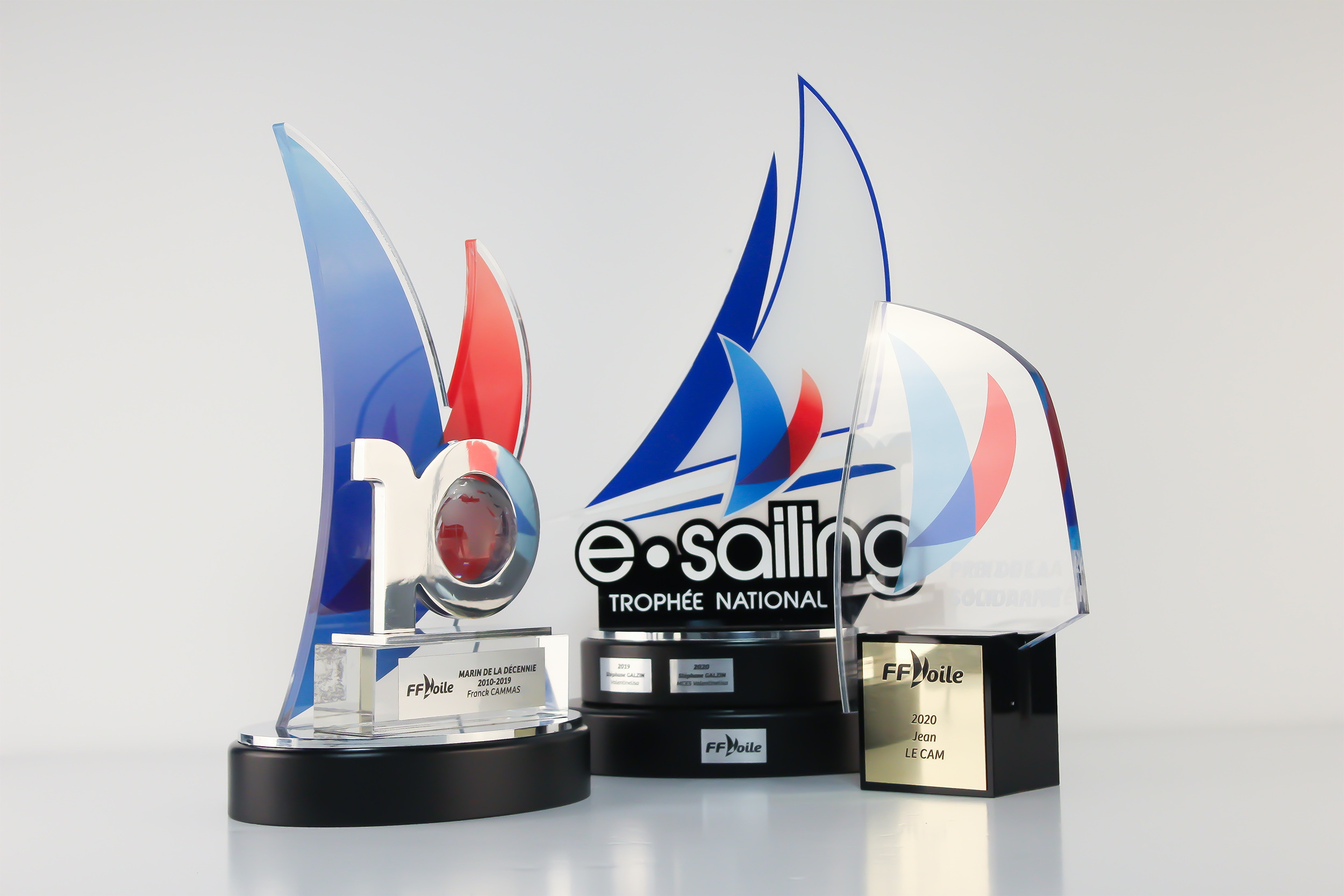
We can discuss all these points and assist you in designing your 'eco-friendly' awards.

E: enquires@awardit.co.uk
T: +44 (0)20 8892 3686
It is through dialogue that we can help you find ‘cleaner’ solutions so that your award ceremony also reflects your efforts towards environmental respect.